Building an export team in a small business
From one person doing everything to a professional export department. The roles you need, hiring, training and keeping people.
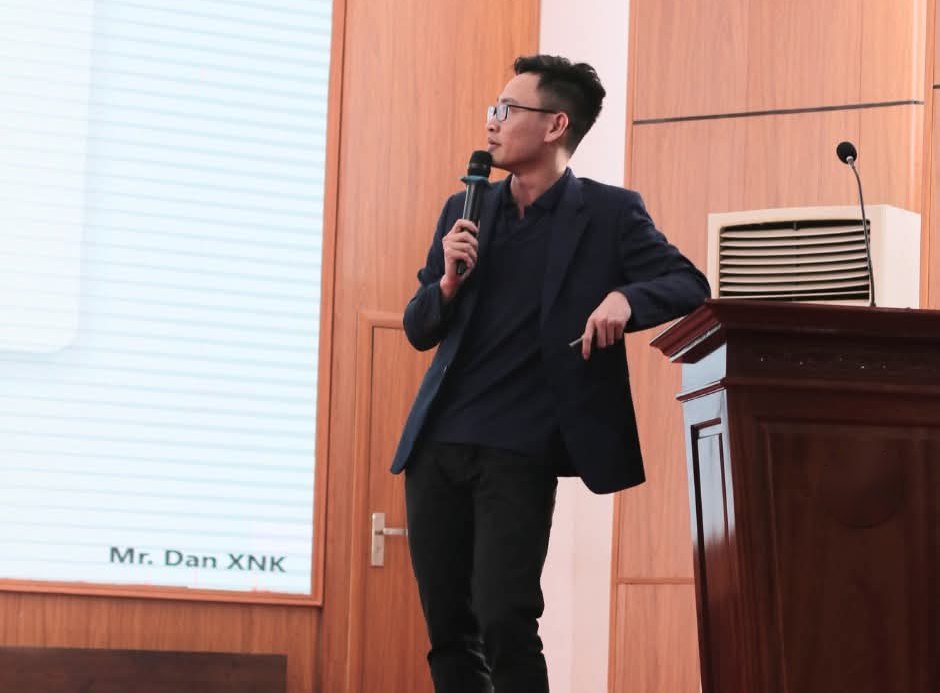
Mr. Dan10+ years of export experience
In a small business, one person often does it all: finding buyers, quoting, documents and tracking shipments. As orders grow, you need a properly structured team.
Roles by stage
Early stage (1–2 people):
- Export sales: finding buyers, pitching, negotiating, looking after customers.
- Documents and logistics (possibly combined, or outsourced to a forwarder).
Growth stage:
- Head of export: market strategy and team management.
- Market-specific salespeople (Europe, Asia, the Americas…).
- Dedicated documentation and import-export staff.
- Marketing: content, website, B2B marketplaces, social media.
- Quality control staff who work with buyers on standards.
Hiring
- Prioritise attitude, integrity and the ability to learn; trade operations can be taught.
- Enough language skills for the real work.
- Graduates in foreign trade, international business, logistics and languages are a good source.
Training
- Product training: send staff to the factory and raw material areas.
- Operations training: Incoterms, payments and documents, through real cases.
- Hands-on mentoring during their first orders.
- Written process documents and standard templates.
Keeping people
- Bonuses linked to results: sales, new customers, profit.
- A clear career path.
- Recognition and real responsibility.
Risks to manage
Staff leaving and taking customers with them is a real risk. Reduce it with a CRM that centralises information, company email, relationships with customers at several levels, and fair treatment of staff.