Negotiating with European buyers
Punctual, precise, focused on certifications and long-term commitment. What German, French, Italian, Dutch and Nordic buyers have in common and how they differ.
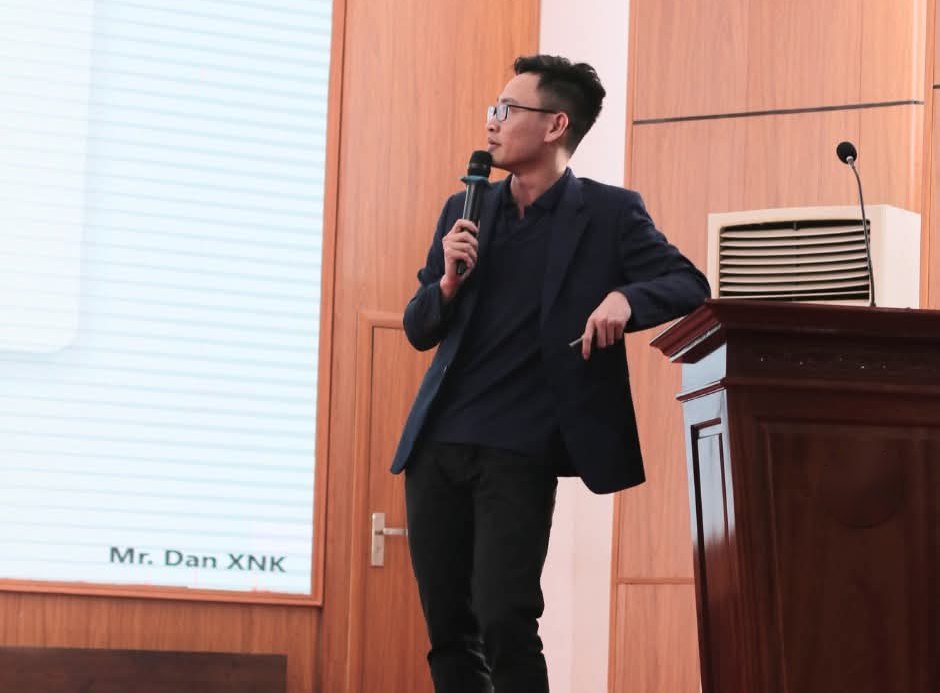
Mr. Dan10+ years of export experience
Europe isn't one uniform market. Still, a few common traits will help you make a good impression on most buyers there.
What they have in common
- Punctuality and keeping promises: reply to emails when you said you would and deliver samples on the agreed date. One unexplained delay can get you dropped.
- Accurate, complete information: technical data sheets, certificates, test results. Don't promise what you can't deliver.
- Sustainability and social responsibility: working conditions, the environment and traceability are increasingly requirements, not just a bonus.
- Long-term relationships: slow to decide, but loyal once they choose you, as long as you maintain quality.
Differences by country (for reference)
- Germany: great attention to technical detail, processes and documents. Direct communication. Tight contracts.
- France: personal relationships, language and the product's story matter. Materials in French are an advantage.
- Italy and Spain: personal relationships are important, negotiations can take longer, and aesthetics and design count.
- Netherlands: practical, direct and tough on price. Many Dutch importers distribute across Europe.
- Nordic countries: value transparency, equality, sustainability and business ethics.
Negotiation tips
- Prepare data; don't just say "good price, good quality".
- Don't push for a quick decision. Buyers need time to test samples and assess your factory.
- Many buyers will require a factory audit before the first order. Be ready.
- Know the advantages of the EVFTA well, so you can make your case on price.
After the order
Send regular production updates and photos before loading. European buyers greatly appreciate this proactiveness and transparency.