Vietnamese silk: from craft villages to international fashion
Silk from Bao Loc, Van Phuc and Ma Chau has a long history. Products, the premium fashion market and how to tell the story of Vietnamese silk.
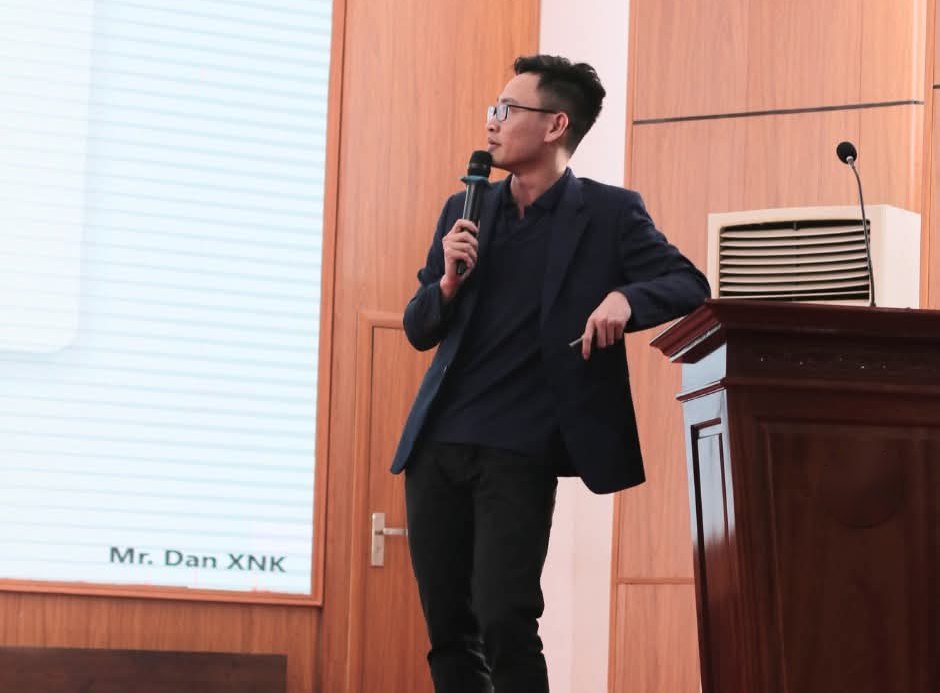
Mr. Dan10+ years of export experience
Mulberry growing, silkworm rearing and silk weaving are woven into Vietnamese culture. Silk is highly valued in fashion and gifts.
Products
- Raw silk and silk yarn: exported to weavers.
- Silk fabric: for fashion and interiors.
- Silk products: scarves, ao dai, sleepwear, pillowcases, quilts, accessories.
Markets
India (silk yarn and fabric), Japan, Korea, the EU, the US and Australia. Handmade silk has niche markets in sustainable fashion and premium gifts.
Quality
- Fibre composition (100% silk or blends), weight and fineness.
- Colour fastness and dyeing methods (natural dyeing is highly valued).
- Accurate composition labels that correctly state silk.
Challenges
- Competition with Chinese silk on price and volume.
- Fake silk (blends, polyester) undermines reputation.
Adding value
- Modern designs, natural dyes, handmade production.
- The story of the craft village and its artisans.
- Organic and eco-safety textile certification.
Advice
Be transparent about product composition and provide test results so buyers trust you. Vietnamese silk can be positioned in the premium, handmade, sustainable segment.